DUI (Driving Under the Influence) and DWI (Driving While Intoxicated) represent legal offenses involving impaired operation of a vehicle due to alcohol or drugs. The distinction between the two terms varies across states, with some using them interchangeably, while others reserve DWI for more severe cases. Penalties for these offenses can range from fines and license suspension for first-time offenders to harsher consequences for repeat violations, including mandatory ignition interlock devices and potential jail time. Legal Blood Alcohol Concentration (BAC) limits typically stand at 0.08% for general drivers, with stricter regulations for commercial and underage drivers. Further exploration can reveal detailed state-by-state information.
Key Takeaways
- DUI refers to operating a vehicle under the influence of alcohol or drugs, while DWI typically indicates a higher level of intoxication.
- Legal BAC limits are generally 0.08% for drivers 21+, 0.04% for commercial drivers, and zero-tolerance for those under 21.
- Penalties for DUI/DWI can include fines, license suspension, jail time, mandatory ignition interlock devices and long-term insurance rate increases.
- Prevention programs and rehabilitation options, such as counseling and support groups, aim to reduce impaired driving incidents and support recovery.
- Legislative measures are evolving to address emerging substances and enhance penalties, with technology playing a role in future enforcement strategies.
Definition of DUI and DWI
Understanding the legal distinctions between Driving Under the Influence (DUI) and Driving While Intoxicated (DWI) is vital in the context of American traffic laws, as these terms represent significant infractions that carry severe legal repercussions.
DUI typically refers to operating a vehicle with a blood alcohol concentration (BAC) exceeding the legal limit or under the influence of drugs, impairing judgment and motor skills.
Conversely, DWI often denotes a more specific charge related to intoxication levels, often associated with a higher BAC threshold.
While the definitions may vary between jurisdictions, both offenses underscore the legal system’s commitment to maintaining road safety and penalizing behaviors that endanger the public.
Ultimately, understanding these definitions is vital for maneuvering potential legal consequences.
Legal Differences by State
Across the United States, the legal distinctions between DUI and DWI are shaped by varying state laws, which can lead to significant differences in enforcement and penalties.
Generally, DUI refers to driving under the influence of alcohol or drugs, while DWI often signifies driving while intoxicated, typically with a blood alcohol concentration above a specific threshold.
Some states, such as Texas, use both terms interchangeably, whereas others, like New York, reserve DWI for more severe cases.
Additionally, states may classify offenses based on the driver’s age, prior convictions, or the presence of minors in the vehicle.
Consequently, understanding these legal nuances is essential for individuals maneuvering potential charges, as outcomes can vary dramatically based on jurisdiction and specific circumstances.
Legal BAC limits across states in the United States currently stand at 0.08% for drivers aged 21 and above, with exceptions in place for certain groups and circumstances. This standard was established in 1998, following President Bill Clinton‘s initiative to set a national limit for legal intoxication.
The Department of Transportation‘s Appropriations Acts enforced this standard by withholding federal funds from states that did not comply. Significantly, Utah is the only state with a lower BAC limit of 0.05%, adopted in 2018.
Additionally, most states have zero-tolerance laws for drivers under the age of 21 and stricter limits for commercial vehicle drivers, often set at 0.04%. These measures aim to reduce alcohol-related crashes and fatalities.
Common Penalties and Consequences
The legal repercussions of DUI and DWI offenses can vary considerably depending on the state, yet certain common penalties and consequences are prevalent across jurisdictions.
Typically, first-time offenders may face fines, mandatory alcohol education programs, and license suspension.
Repeat offenders often incur harsher penalties, which may include increased fines, longer license suspension periods, and possible incarceration.
Additionally, many states impose mandatory installation of ignition interlock devices for those convicted of DUI or DWI, which require drivers to pass a breathalyzer test before operating their vehicle.
In addition, the social and professional ramifications, such as job loss or damage to reputation, can have lasting effects on individuals charged with these offenses.
Arizona is often cited as having the toughest DUI laws, with mandatory ignition interlock devices for first-time offenders and fines totaling at least $1,250. Washington levies the highest fines, with a first offense costing up to $5,000, plus additional penalties such as one year in jail and a 90-day license suspension.
States like Massachusetts and North Carolina also have stringent penalties, including lengthy jail sentences and hefty fines for repeat offenses or severe injuries resulting from DUI.
Blood Alcohol Concentration Limits
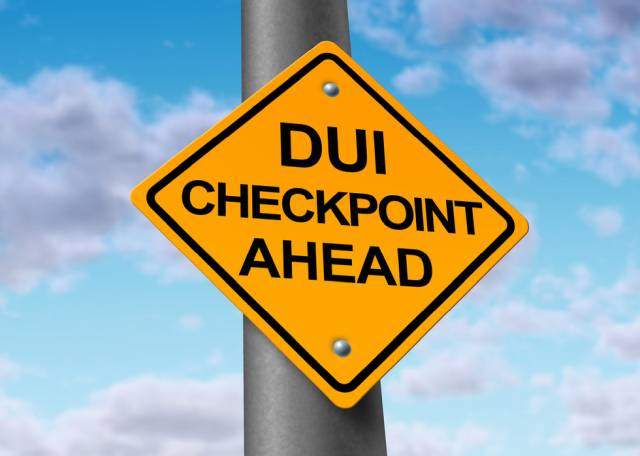
Blood Alcohol Concentration (BAC) limits serve as critical benchmarks in the regulation of impaired driving in the United States. Typically, the legal BAC limit for drivers aged 21 and over is set at 0.08%. This threshold is grounded in empirical research linking higher alcohol levels to increased risk of accidents and impaired judgment.
For commercial drivers, the limit is often reduced to 0.04%, reflecting the heightened responsibility associated with operating larger vehicles. Additionally, zero-tolerance laws apply to drivers under the age of 21, prohibiting any measurable BAC.
These limits aim to deter individuals from driving while impaired, thereby enhancing public safety and reducing alcohol-related fatalities on the road. Enforcement of these standards is essential for maintaining accountability among drivers.
Signs of Impaired Driving
Identifying signs of impaired driving is essential for enhancing road safety and preventing accidents. Key indicators include erratic or swerving lane changes, sudden stops or accelerations, and inconsistent speed.
Drivers may also exhibit difficulty maintaining a proper following distance, engage in tailgating, or fail to respond adequately to traffic signals. Additionally, impaired drivers often show signs of distraction, such as using a mobile device or engaging with passengers excessively.
Other observable behaviors can include an inability to focus, delayed reactions to changes in the driving environment, and frequent braking. Recognizing these signs allows law enforcement and concerned citizens to intervene before potential tragedies occur, ultimately fostering safer roads for all users.
Arrest Process for DUI/DWI
Understanding the arrest process for DUI/DWI is vital for both individuals charged with these offenses and the law enforcement agencies involved.
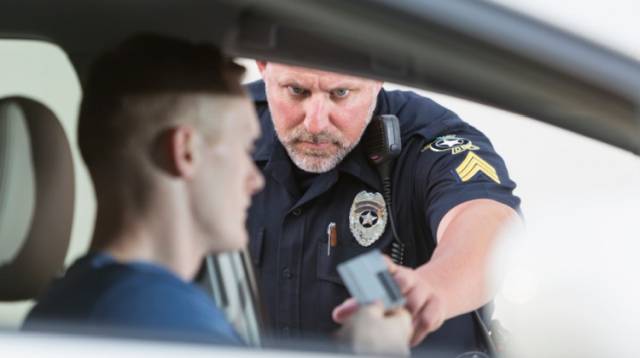
The process typically begins with a traffic stop initiated by an officer suspecting impaired driving. Upon stopping the vehicle, the officer may observe signs of intoxication and conduct preliminary field sobriety tests. If these tests indicate impairment, the officer has probable cause to arrest the individual.
Following the arrest, the individual is usually transported to a police station for processing, which includes breathalyzer or blood tests to determine blood alcohol content.
Throughout this procedure, it is important for law enforcement to adhere to established protocols to guarantee the integrity of the evidence and protect the rights of the accused.
License Suspension and Revocation
License suspension and revocation are important consequences of DUI and DWI offenses, impacting an individual’s driving privileges for varying durations based on the severity of the violation. Typically, a license may be suspended for a specific period, often ranging from a few months to several years, depending on factors such as prior offenses, blood alcohol content (BAC), and whether injuries or fatalities occurred.
In severe cases, revocation may result, which entails a more permanent loss of driving privileges and necessitates a formal reinstatement process. In addition, states often implement an administrative license suspension immediately following an arrest, emphasizing the legal system’s strict stance against impaired driving.
Understanding these consequences is essential for individuals facing such charges, as they greatly influence personal and professional aspects of life.
Impact on Insurance Rates
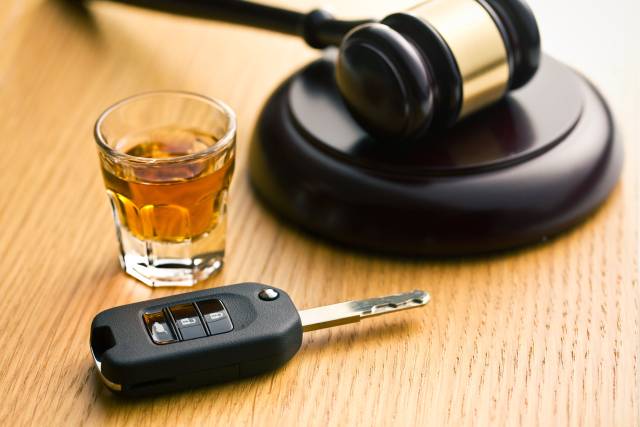
The repercussions of a DUI or DWI conviction extend beyond immediate legal penalties, greatly affecting auto insurance rates.
Insurance companies typically view such convictions as indicators of high-risk behavior. As a result, individuals with a DUI or DWI may face considerably increased premiums, often ranging from 20% to 100% higher than prior rates.
Furthermore, insurers may require the purchase of high-risk policies, further escalating costs. The duration of these rate increases can vary, typically lasting three to five years, depending on state laws and individual insurance providers.
Additionally, the conviction may lead to difficulties in securing new insurance, as many companies might deny coverage altogether.
Consequently, a DUI or DWI conviction has substantial financial implications for the affected individuals.
Repeat Offender Consequences
Repeat DUI or DWI offenses can lead to considerably harsher penalties compared to first-time convictions. Legal repercussions often include increased fines, longer license suspensions, and mandatory attendance in rehabilitation programs.
Jurisdictions may impose felony charges for offenders with multiple convictions, resulting in potential incarceration. Moreover, repeat offenders may face enhanced scrutiny from law enforcement, escalating the likelihood of traffic stops and subsequent arrests.
The cumulative impact of these offenses extends beyond legal penalties; individuals may encounter difficulties in securing employment, housing, and obtaining insurance. Additionally, the societal stigma surrounding repeat offenders can perpetuate cycles of isolation and behavioral issues.
As a result, addressing repeat DUI or DWI offenses demands a multifaceted approach, emphasizing both legal consequences and broader societal implications.
In Maryland, for instance, a second DUI offense can result in up to one year in jail and fines up to $2,000, while a third offense can lead to up to two years in jail and fines up to $3,000.
Additionally, license suspensions and revocations are more prolonged for repeat offenders, with some states requiring ignition interlock devices for extended periods.
Other states, like California, also impose harsher penalties, including longer jail sentences, higher fines, and longer license suspensions for repeat DUI offenders.
For example, a second DUI in California can result in up to one year in jail, fines up to $4,000, and a two-year license suspension, while a third offense can lead to up to 16 months in state prison and a three-year license suspension.
Ignition Interlock Devices
In addition to license suspension policies, another key component in the enforcement of DUI/DWI laws in the United States is the use of ignition interlock devices (IIDs).
An IID is a device installed in a vehicle that requires the driver to blow into a breathalyzer-like device before starting the engine. If the device detects a blood alcohol concentration (BAC) above the legal limit, it will prevent the vehicle from starting.
Many states require IIDs for all DUI convictions, including first offenses, while others require them only for repeat or high-BAC offenders. The devices are designed to prevent drivers from operating a vehicle while intoxicated, thereby reducing the risk of alcohol-related crashes.
Regular monitoring and strict penalties for violations enhance their effectiveness.
Underage Drinking Penalties
Underage drinking penalties in the United States vary considerably by state but generally include fines, community service, and loss of driving privileges.
For example, in Texas, a minor convicted of underage drinking faces a Class C misdemeanor, punishable by a fine of up to $500, attendance of an alcohol awareness class, 8 to 40 hours of community service, and a 30- to 180-day loss or denial of a driver’s license.
Other states, like Pennsylvania, impose similar penalties, with fines ranging from $500 to $1,000 and license suspensions of up to one year for subsequent offenses.
In California, minors caught with alcohol face a $250 fine, 24-32 hours of community service, and a one-year suspension of their driver’s license.
These penalties aim to deter underage drinking and its associated risks.
Prevention Programs and Initiatives
Addressing the complexities of DUI and DWI offenses necessitates a proactive approach through prevention programs and initiatives. These strategies aim to mitigate the incidence of impaired driving and promote public safety. Effective prevention programs typically incorporate educational components, community engagement, and law enforcement collaboration.
- Public Awareness Campaigns: Initiatives that inform the public about the dangers of impaired driving and the legal consequences associated with it.
- School-Based Education: Programs targeting young people to instill responsible attitudes towards alcohol consumption and driving from an early age.
- Designated Driver Programs: Encouragement of sober designated drivers to reduce the likelihood of driving under the influence during social gatherings.
Through these multifaceted approaches, communities can foster a culture of responsible behavior regarding alcohol consumption and driving.
Rehabilitation and Treatment Options
In the domain of DUI and DWI offenses, effective rehabilitation and treatment options are essential for addressing the underlying issues associated with impaired driving behavior. Various programs, including outpatient counseling, inpatient rehabilitation, and support groups, provide tailored interventions to meet individual needs.
Cognitive-behavioral therapy (CBT) has shown efficacy in altering the thought patterns that contribute to alcohol or substance misuse. Additionally, education on the consequences of impaired driving and relapse prevention strategies are integral components of these programs.
Courts may mandate participation in treatment as part of sentencing, reinforcing accountability. Ultimately, a multifaceted approach that combines psychological support, education, and community resources can greatly reduce recidivism rates and foster long-term behavioral change among offenders.
Role of Law Enforcement
The role of law enforcement in combating DUI and DWI offenses is pivotal in ensuring public safety and maintaining order on the roads. Law enforcement agencies employ various strategies to deter impaired driving, conduct thorough investigations, and enforce existing laws. Their efforts are critical in reducing accidents and fatalities associated with alcohol and drug use.
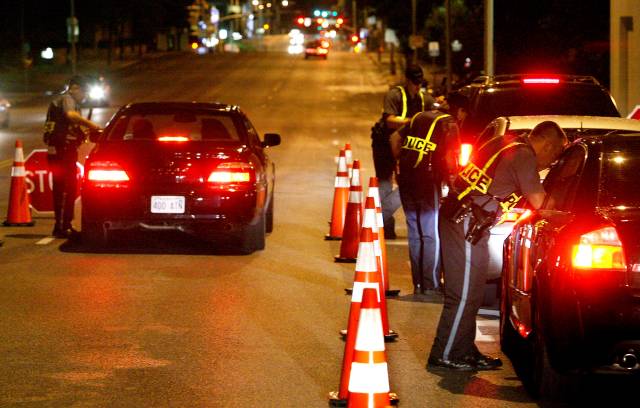
- Implementation of sobriety checkpoints to identify impaired drivers
- Training officers in advanced detection techniques for intoxication
- Collaboration with local communities to enhance enforcement efforts
These actions not only serve to punish offenders but also aim to educate the public about the dangers of driving under the influence.
Effective law enforcement is essential in fostering a culture of responsible driving and safeguarding the well-being of all road users.
Public Awareness Campaigns
Public awareness campaigns play an essential role in educating the community about the dangers of driving under the influence of alcohol or drugs. These initiatives are designed to inform individuals of the severe consequences associated with impaired driving, including legal repercussions, financial burdens, and potential harm to oneself and others.
By utilizing various media platforms—such as television, social media, and community events—campaigns aim to reach diverse audiences and foster a culture of responsible behavior. Additionally, partnerships with local organizations, schools, and law enforcement can enhance the effectiveness of these campaigns, ensuring consistent messaging.
Ultimately, public awareness efforts are vital in promoting safer driving practices, reducing DUI and DWI incidents, and cultivating a collective sense of accountability within the community.
Case Studies and Statistics
Case studies and statistics provide essential insights into the effectiveness of various interventions aimed at reducing DUI and DWI incidents across the United States.
Analyzing these data points reveals trends, successes, and areas needing improvement in legislation and enforcement practices.
- State-Level Interventions: States employing sobriety checkpoints report lower DUI rates compared to those that do not.
- Educational Programs: Programs targeting high-risk populations have shown a significant reduction in repeat offenses.
- Technological Advances: The use of ignition interlock devices has been linked to a notable decrease in DUI recidivism.
Future of DUI/DWI Legislation
Evolving public safety concerns and advancements in technology are shaping the future of DUI and DWI legislation across the United States. Policymakers are increasingly recognizing the need for more stringent measures to deter impaired driving. This includes the potential integration of advanced breathalyzer devices in vehicles, which could prevent operation by individuals with elevated blood alcohol levels.
Additionally, there is a growing emphasis on the use of data analytics to identify high-risk areas and times for DUI incidents, facilitating targeted law enforcement efforts. Legislative frameworks may also adapt to address emerging substances, such as marijuana and other drugs, necessitating more thorough testing protocols.
Collectively, these developments signify a proactive approach to reducing impaired driving and enhancing public safety.
Frequently Asked Questions
Can I Refuse a Breathalyzer Test During a DUI Stop?
Refusing a breathalyzer test can have significant legal ramifications. Individuals should understand that such decisions may lead to penalties, including license suspension, depending on jurisdiction and specific circumstances surrounding the stop and local laws.
How Does a DUI Affect Employment Opportunities?
The shadow of a criminal record can loom large over employment opportunities, as many employers conduct background checks. A DUI conviction may diminish prospects, particularly in fields demanding trust and responsibility, impacting career trajectories markedly.
What Should I Do After a DUI Arrest?
Following an arrest, it is essential to remain composed. Engage legal counsel promptly to understand your rights, assess potential defenses, and navigate the judicial process effectively. Additionally, consider attending support programs to demonstrate responsibility.
How Long Does a DUI Case Typically Take From Arrest to Resolution?
A DUI case typically takes 3-18 months from arrest to resolution, depending on whether it goes to trial and the court jurisdiction. Misdemeanor cases usually resolve within 3-6 months, while felony cases can take up to 2 years.
Are There Alternative Sentencing Options for First-Time Offenders?
Alternative sentencing options for first-time offenders typically include diversion programs, community service, rehabilitation courses, or probation. These alternatives aim to promote rehabilitation and reduce recidivism, while also addressing the underlying issues contributing to the offense.
How Can I Expunge a DUI Record From My History?
Erasing a stain from fabric, expunging a record necessitates a formal legal process, typically involving petitioning the court, fulfilling eligibility criteria, and demonstrating rehabilitation. Engaging a legal professional may enhance the likelihood of success in this endeavor.
Can I Appeal a DUI Conviction if I Am Found Guilty at Trial?
You can appeal a DUI conviction if found guilty at trial. The appeal process typically involves filing a notice of appeal within a specified timeframe, usually 10 to 30 days, and presenting arguments to a higher court regarding errors made during the initial trial.
Conclusion
The enforcement of DUI and DWI laws in the U.S. is essential to preventing alcohol-impaired driving fatalities. All states have implemented a BAC limit of 0.08% with Utah being the exception at 0.05%. State-by-state penalties, including fines, license suspension, and mandatory alcohol education or treatment, aim to deter impaired driving. Remarkably, lowering BAC limits has been shown to greatly reduce alcohol-impaired driving fatalities; for instance, Utah saw a 19.8% fatal crash rate reduction and an 18.3% fatality rate reduction after adopting the 0.05% BAC limit. Effective enforcement and awareness are vital to saving lives.
In summary, the landscape of DUI and DWI offenses in the United States remains complex and multifaceted, akin to a labyrinth where legal definitions and penalties vary markedly from state to state. Understanding the nuances of these laws, alongside the implications of impaired driving, is essential for fostering safer roads. Ongoing public awareness campaigns and legislative efforts are vital in addressing this persistent issue, ensuring that the dangers of impaired driving are effectively communicated and mitigated.

Additional DUI / DWI Resources and References:
- U.S. Department of Transportation
- National Highway Traffic Safety Administration
- Public Safety and Homeland Security
- Bureau of Transportation Statistics
- Laws & Regulations – Guidance Documents
- Minimum Penalties for Repeat Offenders for Dwi or Dui
- The ABCs of BAC. A Guide to Understanding Blood Alcohol Concentration and Alcohol Impairment
- Drunk Driving
- Impaired Driving
- DWI/DUI Violation – Legal Informations
- Drunk Driving in the United States