
A free SR-22 insurance comparison agency serves as a valuable resource for high-risk drivers seeking to understand their insurance options. These agencies compile data from various insurers to present tailored quotes that align with state-specific SR-22 requirements. Users benefit from a thorough overview of available coverage, premium costs, and insurer reputations, all in one convenient platform. This approach streamlines the selection process while empowering consumers to make informed decisions about their insurance needs. Exploring this topic further can reveal additional insights on comparing quotes and understanding SR-22 specifics that guarantee compliance and optimize coverage.
What Is SR-22 Insurance?

SR-22 insurance is a certificate of financial responsibility mandated by certain states for drivers who have been deemed high-risk due to violations such as DUI, suspended licenses, or repeated traffic offenses. This requirement serves as a mechanism to guarantee that these drivers maintain adequate liability coverage while operating a vehicle.
The SR-22 form is not an insurance policy itself but rather a document filed by an insurance company with the state, verifying that the driver has the minimum required coverage. This filing notifies the state of the driver’s insurance status and is typically mandated for a specific duration, often ranging from three to five years, depending on the severity of the offenses.
Drivers required to carry SR-22 insurance may experience higher premiums, as insurers assess them as higher risk. Consequently, the process of obtaining SR-22 coverage may involve a thorough evaluation of the driver’s history and current insurance options.
Additionally, failure to maintain the required coverage can lead to penalties, including license suspension. Therefore, understanding SR-22 insurance is essential for drivers maneuvering the complexities of high-risk status and compliance with state regulations.
Why You Need SR-22 Coverage
Obtaining SR-22 coverage is essential for any driver classified as high-risk, as it serves to guarantee compliance with state mandates regarding financial responsibility. This form of insurance, often required following serious infractions such as DUIs or driving without insurance, acts as a legal document that informs the state of your financial capability to cover potential damages resulting from accidents.
The necessity of SR-22 coverage extends beyond mere compliance; it plays a critical role in restoring driving privileges. Many states implement a mandatory waiting period before reinstating a driver’s license, during which SR-22 insurance must be maintained. Therefore, securing this coverage is an integral step towards regaining full driving rights.
Moreover, maintaining SR-22 coverage can influence future insurance premiums. Insurers often assess a driver’s risk profile based on past behaviors, and having an SR-22 can lead to higher costs.
However, it also demonstrates a commitment to responsible driving, which may benefit long-term premium rates.
Common Reasons for SR-22 Requirements
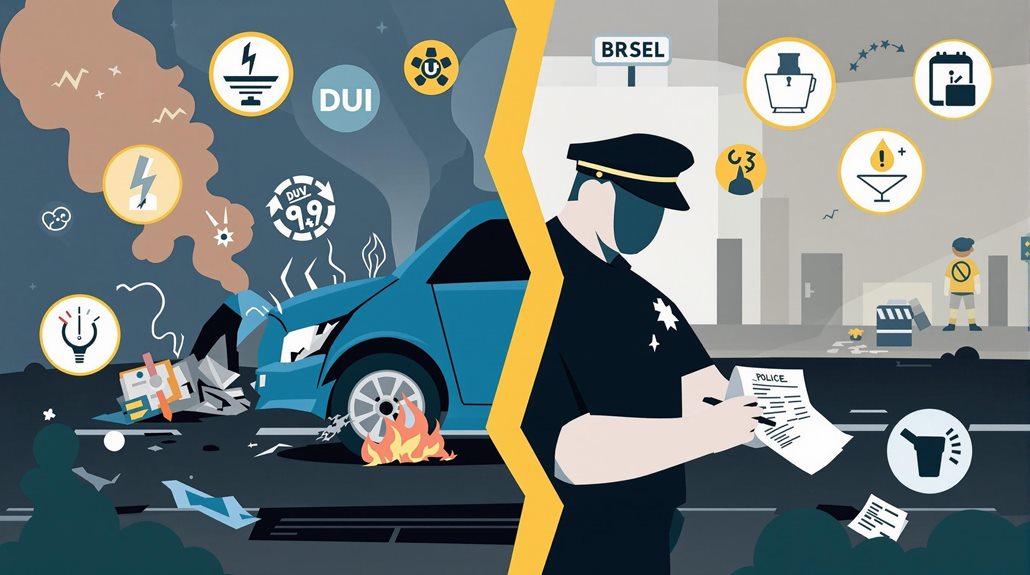
There are several common circumstances that can lead to the requirement of SR-22 insurance for drivers. One prevalent reason is a DUI or DWI conviction, which typically results in severe penalties, including the mandate to file an SR-22 to demonstrate financial responsibility.
Similarly, repeated traffic violations, such as reckless driving or accumulating excessive points on a driving record, can trigger the need for SR-22 insurance as a means to monitor the driver’s future conduct.
Another common circumstance is the lapse of auto insurance coverage. If a driver allows their insurance to expire or is caught driving without valid insurance, authorities may impose SR-22 filing as a corrective measure to guarantee compliance with state laws.
Additionally, driving without a valid license can lead to SR-22 requirements, as this indicates a disregard for legal driving protocols.
Lastly, some states may require SR-22 filings for individuals involved in accidents where they were found at fault and lacked proper insurance.
To conclude, the necessity for SR-22 insurance often stems from serious infractions that indicate a need for heightened scrutiny of a driver’s financial responsibility.
Understanding SR-22 Filing Process
Maneuvering through the SR-22 filing process requires a clear understanding of the specific steps involved and the necessary documentation. An SR-22 is not an insurance policy, but rather a certificate of financial responsibility that your insurer files with the state on your behalf.
The process begins with identifying a qualified insurer who is authorized to issue SR-22 forms. Not all insurance companies offer this service, so it is crucial to confirm eligibility.
Once an appropriate insurer is selected, the next step is to provide them with the necessary personal information, including your driver’s license number, vehicle details, and any relevant driving history.
The insurer will then complete the SR-22 form and submit it to the state’s Department of Motor Vehicles (DMV) or equivalent agency. It is vital to ascertain that the form is filed accurately and promptly, as delays may result in penalties or a lapse in your driving privileges.
After filing, the SR-22 remains in effect for a designated period, typically three years, during which continuous insurance coverage must be maintained.
Failure to comply with these requirements can lead to additional penalties and reinstatement fees.
How Comparison Agencies Work

Comparison agencies serve as valuable resources for individuals seeking to navigate the complexities of SR-22 insurance options. These agencies compile data from multiple insurance providers to present a streamlined overview of available policies. By leveraging advanced algorithms and user-friendly platforms, they allow consumers to input specific criteria, such as coverage needs and budget constraints, to generate tailored insurance quotes.
The operational framework of comparison agencies involves partnerships with various insurance companies. This collaboration enables agencies to access a broad spectrum of policy details, including premiums, coverage limits, and discount opportunities. Once the user submits their information, the agency analyzes the data and matches it against the offerings of its partnered insurers.
Additionally, many comparison agencies provide educational resources to help clients comprehend the nuances of SR-22 insurance, including state requirements and implications for driving privileges. This approach not only facilitates informed decision-making but also enhances the overall consumer experience.
Ultimately, comparison agencies function as intermediaries, empowering individuals to make well-informed choices by presenting clear, concise, and comparative information about SR-22 insurance options available in the market.
Benefits of Using a Comparison Agency
Utilizing a comparison agency for SR-22 insurance offers significant advantages that streamline the decision-making process for consumers. To begin with, these agencies provide an extensive overview of options available in the market, allowing individuals to assess multiple insurers and their offerings in one consolidated platform. This access to diverse quotes helps consumers identify the most competitive rates and coverage levels tailored to their specific needs.
Moreover, comparison agencies simplify the complexities associated with SR-22 insurance requirements. They educate consumers on the implications of SR-22 filings, ensuring that individuals are better informed about their responsibilities and options. By leveraging the expertise of these agencies, users can avoid common pitfalls, such as selecting inadequate coverage or overlooking essential policy features.
Additionally, the time-saving aspect cannot be overstated. Instead of contacting multiple insurers individually, consumers can efficiently compare various quotes side by side, expediting the selection process.
Finally, many comparison agencies offer user-friendly interfaces and tools that enhance the experience, making it easier to understand the nuances of policies.
Key Factors to Compare Insurers

When evaluating SR-22 insurance providers, consumers frequently encounter a range of critical factors that influence both coverage and cost. One of the primary considerations is the type of coverage offered. SR-22 insurance is generally categorized into liability, collision, and extensive coverage, and understanding the distinctions among these options is essential for selecting the right policy.
Another key factor is the insurer’s reputation and financial stability. A provider with a solid track record in customer service and claims handling can offer peace of mind, especially when traversing the complexities of SR-22 regulations. Additionally, evaluating the insurer’s financial strength ratings from agencies such as A.M. Best or Standard & Poor’s can provide insight into their ability to pay claims.
Cost comparisons are also crucial; premiums can vary greatly between insurers based on individual risk profiles, driving history, and location. Consumers should also assess any discounts available, such as for safe driving or bundling policies.
Top Providers for SR-22 Insurance
While the need for SR-22 insurance often arises from specific regulatory requirements, selecting the right provider is critical for ensuring compliance and adequate coverage. Various insurance companies specialize in SR-22 policies, each offering unique advantages.
Among the top providers, Geico stands out for its competitive rates and efficient online processes, making it accessible for many drivers. Progressive also offers notable flexibility, allowing customers to customize their coverage according to individual needs.
State Farm is renowned for its extensive network of agents and personalized service, which can be valuable for those seeking guidance through the complexities of SR-22 insurance. Similarly, Allstate provides robust customer support and various discounts that can make policies more affordable.
Another key player is National General, known for catering specifically to high-risk drivers, providing tailored solutions that address the nuances of SR-22 requirements. Finally, Liberty Mutual offers thorough policies along with a user-friendly digital platform, enhancing customer experience.
When evaluating providers, it is essential to reflect on not only the premiums but also the level of customer service, claims handling, and the overall reputation of the insurer in the SR-22 market.
Average Costs of SR-22 Insurance

How much can drivers expect to pay for SR-22 insurance? The cost of SR-22 insurance can vary considerably based on several factors, including the driver’s history, location, and the insurance provider.
On average, drivers may see an increase in their premiums ranging from 20% to 100% compared to standard auto insurance rates. This increase is primarily due to the heightened risk associated with drivers who require an SR-22 filing, often linked to serious violations such as DUI, multiple traffic offenses, or driving without insurance.
For instance, a driver with a clean record might pay approximately $50 to $100 for an SR-22 policy, while a driver with a history of violations could face premiums upward of $300 or more.
Additionally, some states impose their own fees for filing an SR-22, which can range from $15 to $50.
Moreover, the duration of the SR-22 requirement, typically ranging from three to five years, can further impact the overall cost. Consequently, it is essential for drivers to compare quotes from multiple insurance providers to find the most competitive rates for SR-22 insurance.
Tips for Saving on SR-22 Rates
Finding ways to save on SR-22 insurance rates can greatly alleviate the financial burden associated with this specialized coverage.
One effective strategy is to shop around and compare quotes from multiple insurance providers. Different companies have varying criteria for determining rates, and obtaining several quotes can reveal significant price differences.
Moreover, consider increasing your deductible. A higher deductible may lower your premium, although it’s important to make sure that you can afford the out-of-pocket expense in the event of a claim.
Another approach is maintaining a clean driving record, as insurers typically offer better rates to those with fewer violations or accidents.
Bundling your SR-22 insurance with other policies, such as auto or home insurance, can also yield discounts. Many insurers offer lower rates to customers who consolidate their coverage.
In addition, taking advantage of available discounts, such as those for safe driving courses or low mileage, can further reduce costs.
State-Specific SR-22 Requirements
Understanding state-specific SR-22 requirements is vital for individuals who have been mandated to obtain this form of insurance following certain driving infractions. An SR-22 is not an insurance policy itself but rather a certificate that proves a driver has the minimum required liability coverage in accordance with state laws.
Each state has its own unique stipulations regarding the SR-22 process, including the duration for which the certificate must be maintained and the specific offenses that trigger the requirement.
For instance, states like California require an SR-22 for three years following a DUI, whereas in Florida, the duration may vary based on the infraction type. Moreover, some states, such as Virginia, do not require an SR-22 but instead a similar form known as an FR-44, which has higher coverage limits.
Additionally, non-compliance with SR-22 requirements can lead to severe penalties, including license suspension or increased insurance premiums.
It is imperative for individuals to familiarize themselves with their state’s regulations to guarantee compliance and avoid further legal complications. This understanding not only informs their insurance choices but also aids in maneuvering the complexities associated with reinstating driving privileges.
How to Obtain an SR-22
Obtaining an SR-22 can be a straightforward process, typically involving three essential steps.
First, individuals must contact their insurance provider to request an SR-22 filing. Not all insurers offer SR-22 services, so it may be necessary to shop around for a company that does. During this initial contact, the individual should provide relevant information, including their driving history and the reason for the SR-22 requirement.
The second step involves the insurer filing the SR-22 form with the appropriate state department of motor vehicles (DMV). This filing confirms that the individual has the required liability insurance coverage.
It is vital to guarantee that the insurance policy meets the minimum state requirements, as discrepancies could result in delays or penalties.
Alternatives to SR-22 Insurance

While SR-22 insurance serves as a necessary requirement for certain drivers to demonstrate financial responsibility after specific violations, there are alternatives that may be considered depending on individual circumstances.
One notable option is obtaining a non-owner car insurance policy. This type of coverage provides liability protection for individuals who do not own a vehicle but still need to drive occasionally. It may satisfy state requirements without needing an SR-22.
Another alternative is pursuing a state-issued certificate of financial responsibility. States may offer different forms of proving financial responsibility, which could replace the need for an SR-22.
Additionally, some drivers may explore high-risk auto insurance policies that do not require an SR-22 filing. These specialized policies cater to high-risk drivers, although they can come with higher premiums.
Lastly, a driver could consider enrolling in a defensive driving course, which might help mitigate points on their driving record and potentially lower insurance rates.
To summarize, while SR-22 insurance is mandatory for some, exploring these alternatives can provide necessary coverage while potentially easing the financial burden associated with high-risk insurance.
Customer Reviews of Comparison Agencies
Numerous customers have shared their experiences with comparison agencies, highlighting the varying levels of satisfaction and effectiveness in finding suitable SR-22 insurance options. Many users appreciate the convenience these platforms offer, allowing them to compare multiple rates and providers quickly. Positive reviews often emphasize the user-friendly interfaces of these agencies, which streamline the process of obtaining quotes and facilitate informed decision-making.
Conversely, some customers express frustration with the inconsistency in the accuracy of the quotes provided. Several reviews indicate that discrepancies between estimated premiums and actual rates can lead to confusion and dissatisfaction.
Additionally, a portion of users noted that while comparison agencies can offer a broad range of options, the assistance in maneuvering the complexities of SR-22 requirements may be lacking.
A recurring theme in customer feedback is the importance of customer service. Some agencies receive commendations for their responsive and knowledgeable staff, while others face criticism for unhelpful support.
Next Steps After Comparing Quotes

After evaluating various quotes through comparison agencies, it is important to take a methodical approach to the next steps in securing SR-22 insurance.
First, carefully review the details of each quote, paying particular attention to coverage limits, deductibles, and any exclusions. This analysis will help identify which policy best aligns with your specific needs and financial situation.
Next, consider the financial stability and reputation of the insurance providers. Research customer reviews and industry ratings to ascertain that the chosen company has a history of reliable service and claims handling. This step is essential, as the reliability of your insurance provider can greatly impact your overall experience.
Once you have narrowed down your options, reach out to the insurance providers for any clarifications on the quotes. Inquire about additional discounts that may apply or any potential changes in premium rates based on your driving record.
Frequently Asked Questions
Can I Cancel My SR-22 Insurance After Filing It?
Yes, you can cancel your SR-22 insurance after filing it; however, doing so may have significant implications.
The SR-22 form is a certificate that proves you have the required liability coverage, typically mandated by the state following certain violations.
If you cancel your policy before fulfilling the required duration, you risk license suspension or additional legal penalties.
It is advisable to consult with your insurance provider to understand the consequences before proceeding.
Will My Premium Increase After Obtaining SR-22 Insurance?
Obtaining SR-22 insurance typically results in higher premiums.
This increase is primarily due to the underlying risk factors associated with the need for an SR-22, such as prior infractions or violations. Insurers perceive these individuals as higher risk, leading to adjustments in premium rates.
The extent of the increase can vary based on individual circumstances, including previous driving history and the specific insurance provider’s policies.
It is advisable to compare quotes from different insurers.
How Long Does SR-22 Insurance Stay on My Record?
SR-22 insurance typically remains on your driving record for three years, although this period may vary depending on state regulations and the nature of the offense that necessitated the SR-22 filing.
It is essential to maintain continuous coverage during this timeframe, as lapses can lead to further penalties.
After the designated period, the SR-22 requirement is usually lifted, but the underlying offenses may still affect your insurance premiums and driving record.
Can I Get SR-22 Insurance Without a Car?
Yes, it is possible to obtain SR-22 insurance without owning a car.
In such cases, individuals can secure a non-owner SR-22 policy. This type of policy provides the necessary coverage for those who drive vehicles that they do not own, ensuring compliance with state requirements.
It is essential to consult with an insurance provider to understand specific state regulations and coverage options, as these can vary considerably between jurisdictions.
What Happens if I Miss My SR-22 Filing Deadline?
Missing the SR-22 filing deadline can result in significant consequences, including the suspension of your driving privileges and potential penalties from your state’s Department of Motor Vehicles (DMV).
Additionally, your insurance provider may cancel your policy, leading to increased rates or difficulties obtaining coverage in the future.
It is essential to promptly address any missed deadlines by communicating with both your insurer and the DMV to mitigate adverse effects on your driving record.
Conclusion
In conclusion, the utilization of a free SR-22 insurance comparison agency provides a strategic approach to traversing the complexities of SR-22 coverage. By understanding the requirements and processes associated with SR-22 filings, individuals can make informed decisions that align with their unique circumstances. Additionally, exploring alternatives to traditional SR-22 insurance may yield cost-effective solutions. Ultimately, engaging with comparison agencies facilitates access to a range of options, promoting informed choices and enhancing overall financial management.